

News and Insights
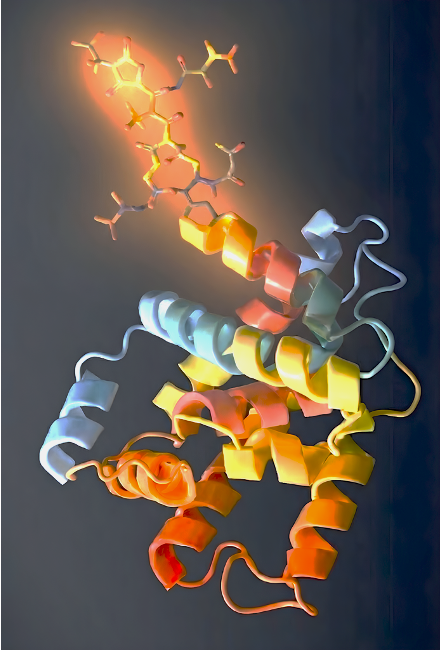
Pumpkinseed, The Biology Mining Company
What does it mean to mine biology? Whole-genome sequencing now costs under $100 and transcriptomic atlases map millions of single cells, yet the molecules that actually execute every cellular decision remain largely invisible at that scale. No existing platform reads them comprehensively from single cells in real time. That's the gap, and in part why LLMs for biology have fallen short. You can't build a meaningful language model when most of the letters are missing. If AlphaFold showed what structural AI can do once a sequence is known, the open question is: what becomes possible when we can read the full molecular state of every cell?

Pumpkinseed Raises $20M Series A to Unlock Biology’s Most Valuable Hidden Data Layer
Pumpkinseed has closed a $20 million Series A co-led by NfX and Future Ventures to scale its deSIPHR nanophotonic chip platform from peptide to full-length protein sequencing — advancing active programs in biopharma and biosecurity and building the proteomic datasets that medicine and science have been waiting for.

Pumpkinseed Shines New Light on the Proteome
In an exclusive interview ahead of SynBioBeta 2026, co-founder and Stanford Professor Jennifer Dionne outlines how Pumpkinseed's nanophotonic chip platform is opening the proteome to investigation at a resolution and scale the field has never had before — and why that changes everything for drug discovery, AI biology, and medicine.

Stanford Spinout Pumpkinseed Pursues Chip-Based Peptide Sequencing, Immune Cell Analysis
A Stanford University spinout is on its way toward commercializing silicon chip-based technology that can sequence peptides as well as provide functional information about proteins expressed in cells.

Illuminating the Immune System with Silicon Photonics
A new method using tightly focused beams of light may soon far surpass traditional protein sequencing, while linking antigen sequences directly to immune cell activity — opening the door to entirely new immune-modulating medicines.
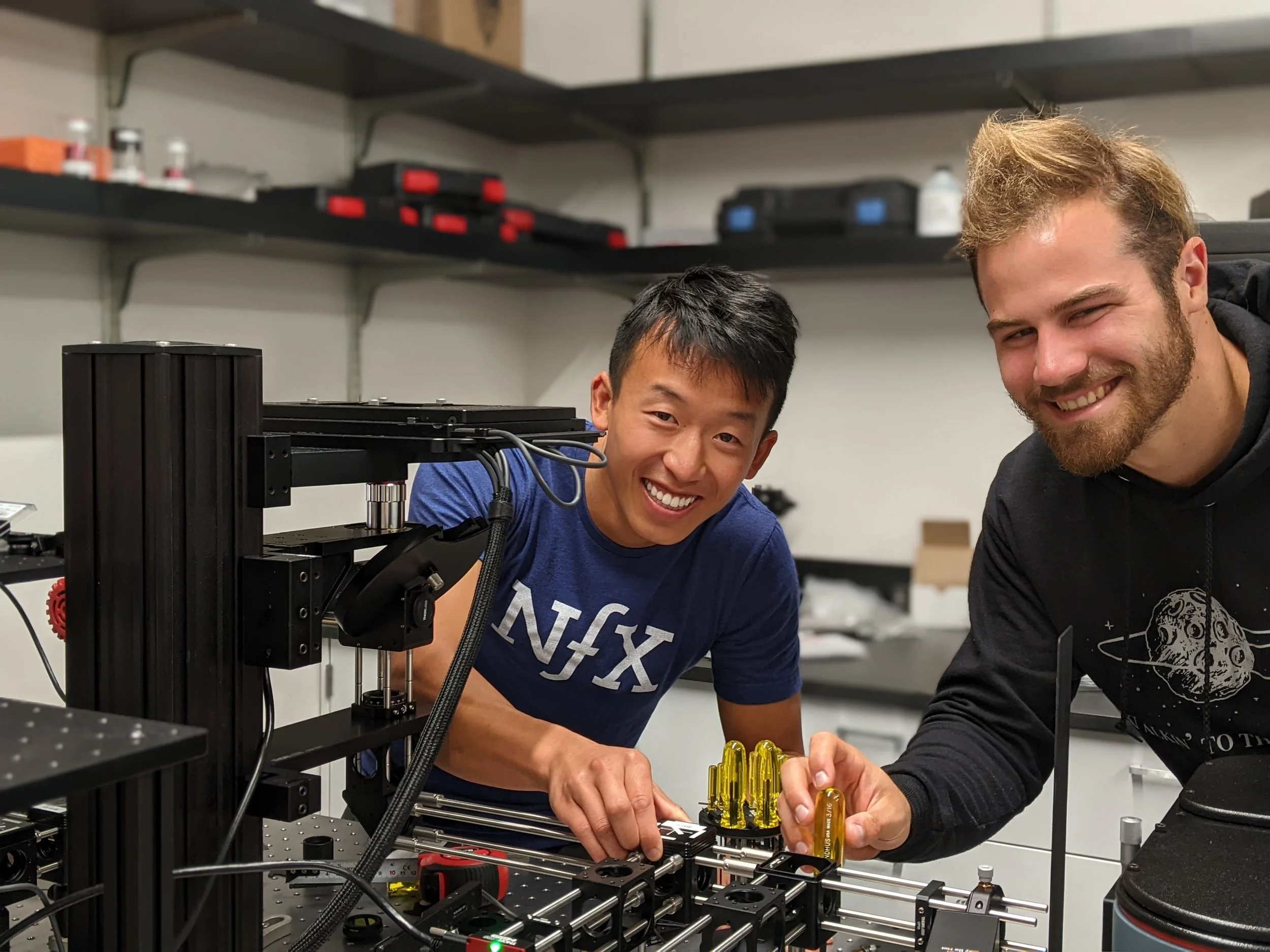
Shining a Light on Synthetic Biology
Stanford researchers are using nanophotonic chips to rapidly identify proteins at scale — a physics-based approach that sidesteps the complexity of traditional methods and opens new possibilities for protein-based therapeutics, synthetic biology, and beyond.